In short
- Inshore fishing targets snook and corvina in shallow mangrove channels.
- Offshore fishing peaks in autumn during the Striped Marlin baitball run.
- All anglers must follow Mexican daily catch limits and boat regulations.
In this article
Sportfishing in Magdalena Bay is divided into two very different experiences. The sheltered northern channels provide calm conditions for light tackle. Outside the barrier islands, the open ocean hosts large game fish.
What kind of fishing is available in Magdalena Bay?
You can choose between shallow inshore mangrove fishing and deep offshore sportfishing.
The entire Magdalena Bay-Almejas Bay lagoon complex covers around 1,700 square kilometers. The interior waters are protected by Isla Magdalena and Isla Santa Margarita. This creates calm conditions inside the bay, while the offshore waters access deep Pacific currents.
What is inshore mangrove fishing like?
Inshore fishing focuses on catching snook and corvina in the protected estuary canals.
The northern estuarine canals are highly navigable but shallow. They average about 3.5 meters in depth. These dense mangrove forests act as nurseries for fish and shrimp, drawing inshore predators.
When does the offshore marlin run happen?
The massive Striped Marlin run occurs every autumn.
Offshore seamounts outside the bay host massive baitballs during the fall months. This seasonal event attracts heavy concentrations of Striped Marlin. It draws sportfishers specifically for open-ocean action.
What are the fishing regulations?
All sportfishing requires strict adherence to Mexican daily catch limits.
Local laws protect the bay's marine ecosystem. Anglers must follow designated species quotas. Additionally, regulations state that billfish cannot be filleted on board the boat.
Where do fishing charters depart from?
Puerto San Carlos is the primary hub for sportfishing charters.
Puerto San Carlos is the largest town on the bay, with just over 5,000 residents. It offers easy access to the central bay and the Pacific Ocean. You can organize private panga charters directly at the main pier.
How does fishing compare to the whale season?
The marlin run happens in autumn, well before the winter whale season.
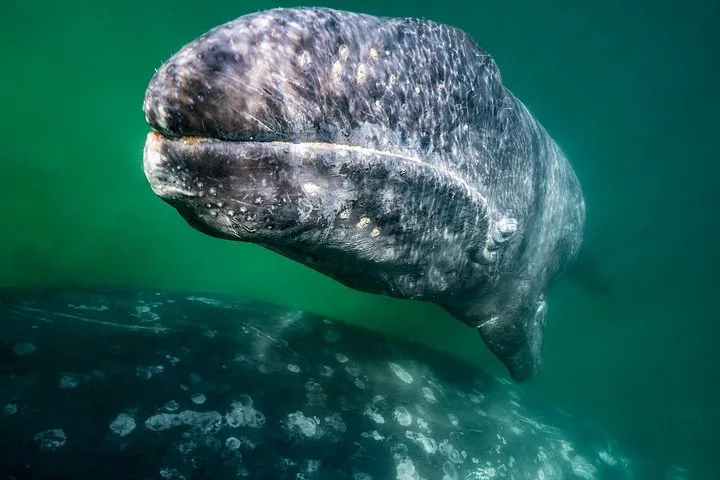
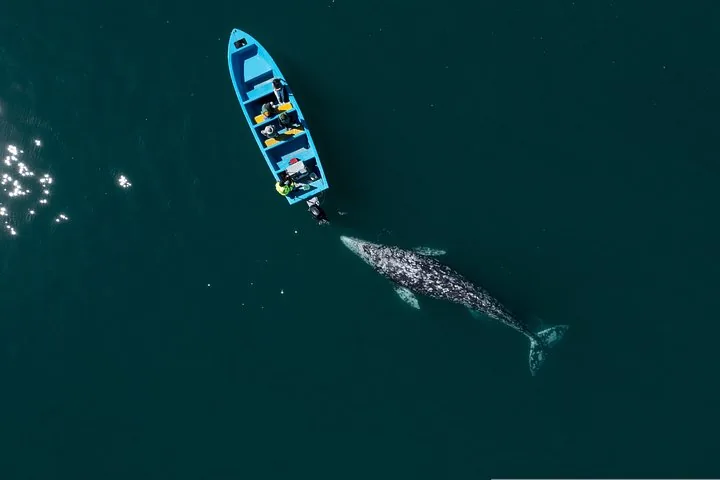
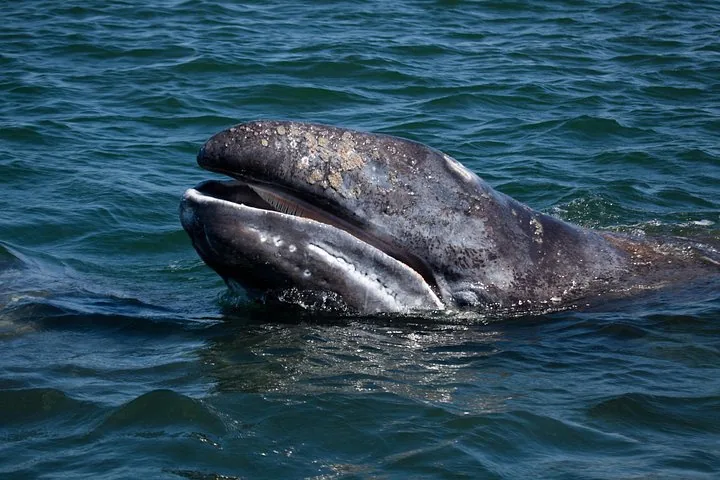
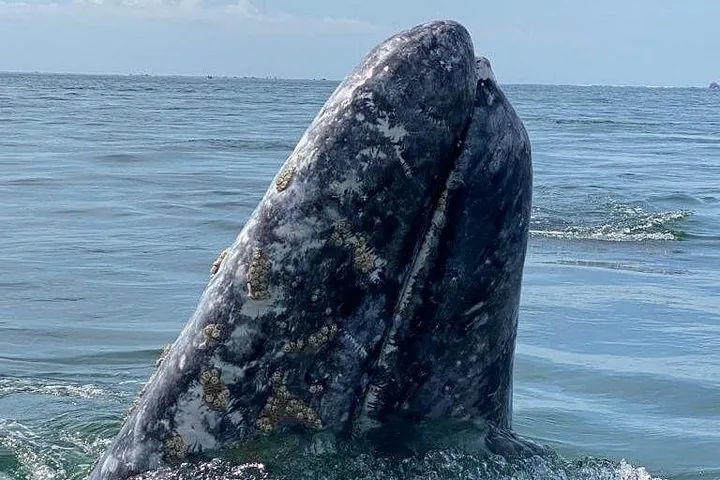
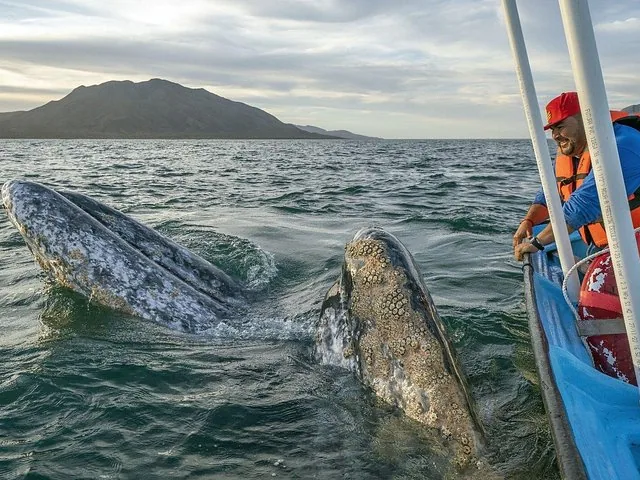
Gray whale watching strictly runs from mid-December to mid-April. If you visit in autumn for marlin, you will not see whales. If you visit in February or March, the focus in the bay shifts entirely to whale observation.
| Season | Target Species | Location |
|---|---|---|
| Autumn | Striped Marlin | Offshore Seamounts |
| Year-round | Snook, Corvina | Mangrove Channels |
| Winter | No fishing (Whale Season) | Main Bay |
Questions travellers ask
Where is the best place to hire a fishing boat?
Puerto San Carlos is the main port for sportfishing charters. You can negotiate directly with local captains at the town's main pier.
Can I fillet my catch on the boat?
Mexican sportfishing laws state that billfish cannot be filleted on board the vessel. You must also adhere to daily catch limits.
How deep are the mangrove fishing channels?
The northern estuarine canals are relatively shallow, averaging about 3.5 meters in depth. These areas are ideal for inshore fishing.